
Diablo 4's eighth season has officially dropped, and the community's reaction is, once again, a storm of frustration. It feels like the game's most vocal players are perpetually bracing for the next letdown, but Season 8 has managed to hit a particularly raw nerve. This time, the fury is laser-focused on a radical overhaul of the progression and monetization systems, leaving many fans feeling like the game they loved is undergoing an identity crisis.
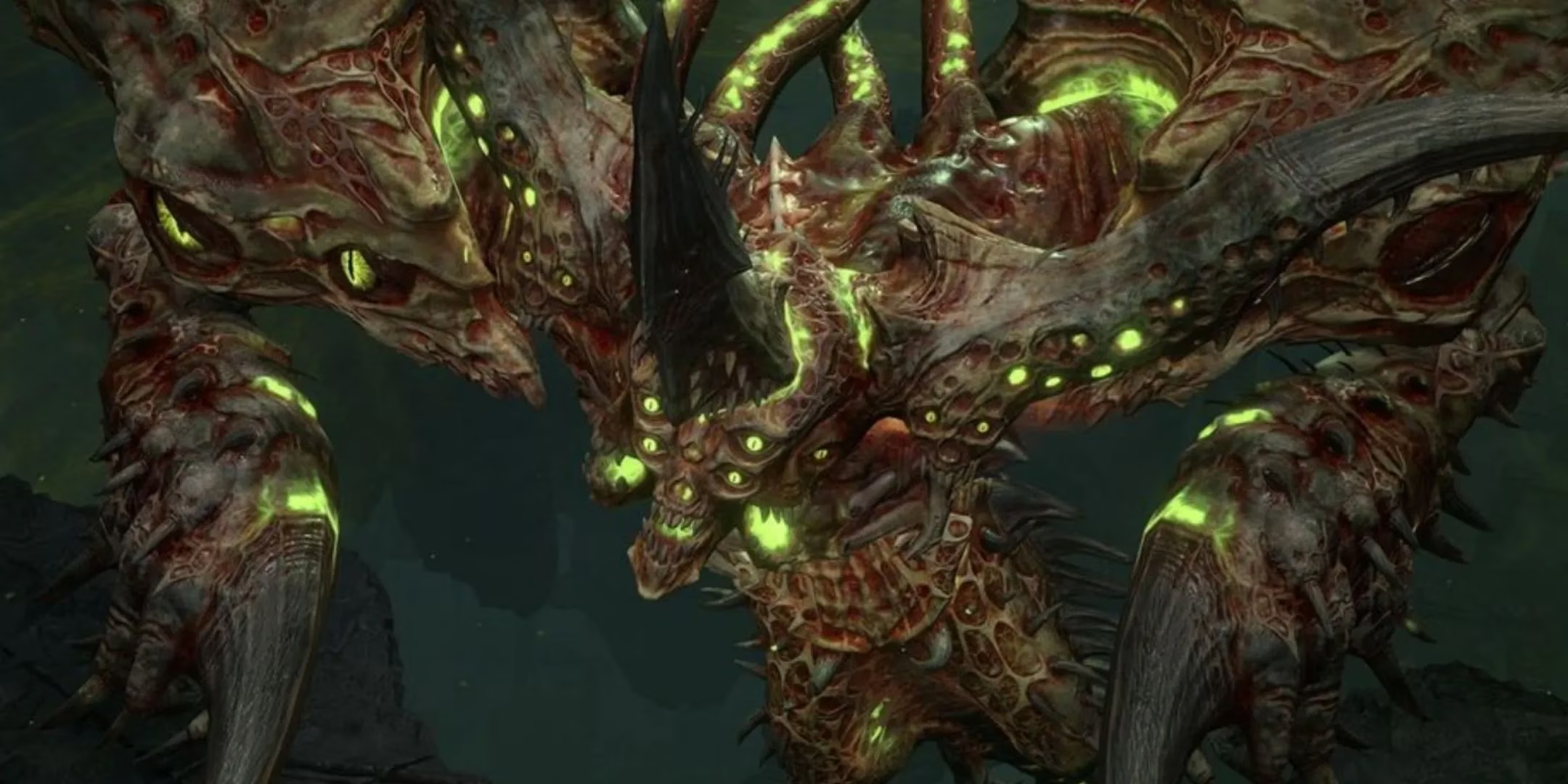
At the heart of the controversy is the complete replacement of the traditional Battle Pass with a new system called Reliquaries. If you've spent any time in Call of Duty's ecosystem, this will feel eerily familiar. The new model allows players to choose specific rewards to work towards, theoretically offering more agency. However, the devil, as they say, is in the details—and in this season, that devil is Belial.
💸 The Monetization Maelstrom: A "Net Win" or a Net Loss?
The most explosive point of contention is the perceived devaluation of rewards. Under the old Battle Pass, dedicated players could earn enough premium currency (Platinum) to effectively pay for future passes. The Reliquary system, critics argue, doles out significantly less Platinum, making it harder to be a self-sustaining player without opening your wallet.
Blizzard's lead live game designer, Colin Finer, addressed the uproar in an interview. He framed the change as a positive, noting that the Platinum rewards are now available to all players, not just those who purchase the premium track. "I believe... the Platinum that you gain out of the entire system is available to everyone now. So you don't even need to buy the battle pass necessarily to gain some of those things back. So it's a net win for everybody overall," Finer stated.
This justification has landed with all the grace of a Barbarian's failed Leap. For the hardcore grinders who would complete every tier regardless, the overall reduction in high-value rewards feels like a slap in the face. The new choice is seen by many not as liberation, but as a sophisticated shell game—offering the illusion of control while quietly shrinking the prize pool. It's like being told you can now choose your own side dish, but the main course has been halved.
😴 The Content Conundrum: Is Belial's Return a Bore?
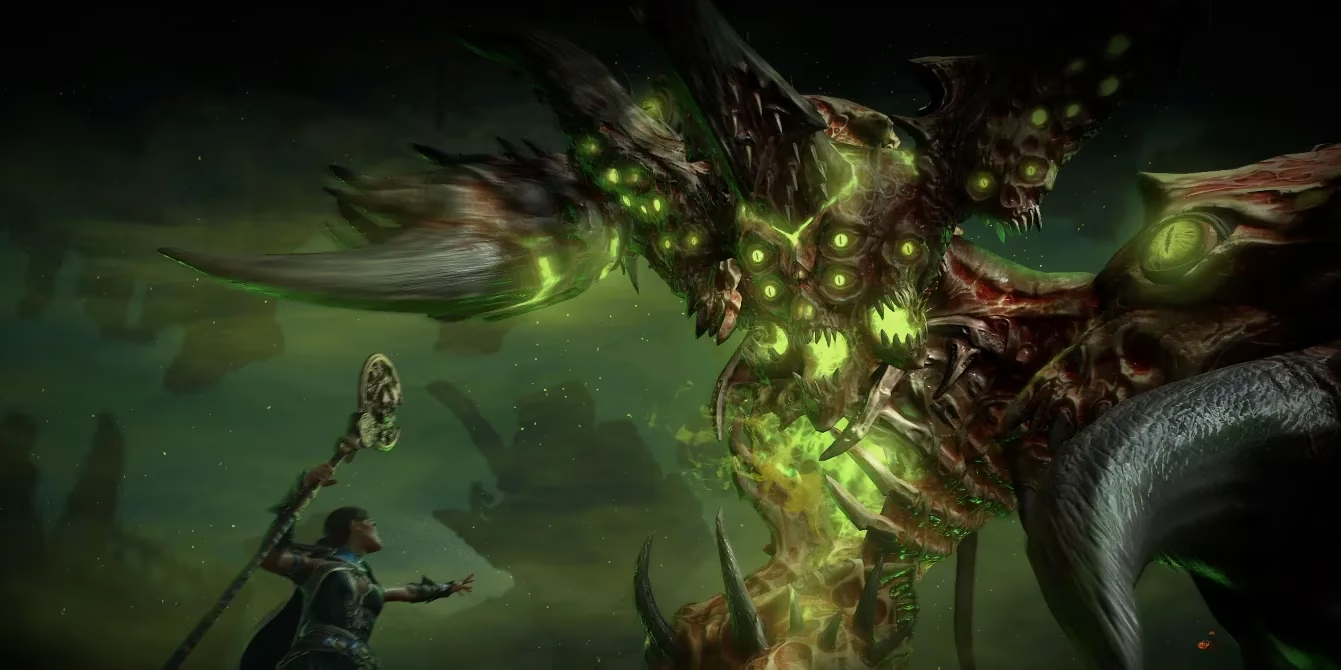
Monetization woes are only half the story. The seasonal content itself—themed around the Lord of Lies, Belial—is being panned as shallow and repetitive. Player sentiment on forums is brutally clear:
-
"The season mechanic is just a legion event that's slightly buffed and is repetitive as fk. You basically go from one timed event to another." - Nice-Brief9261
-
"It's not only that it's a bad season, it's just boring as well. I stopped at level 48... I don't know if this season is salvageable." - SnooLentils6995
The criticism paints a picture of a gameplay loop that has become as predictable as a metronome, lacking the depth or novelty to retain player interest. The cycle of short, timed events with brief interludes has grown stale, pushing players towards competitors like Last Epoch.
⚖️ The Verdict from Sanctuary
The launch of Season 8 has created a perfect storm of discontent. The shift to the Reliquary system is viewed not as an evolution, but as a transparently corporate maneuver, clumsily grafting a system from another Activision-Blizzard title onto Diablo 4's framework. Coupled with what is perceived as another light-on-content season, player patience is wearing dangerously thin.
For many, the seasonal model now feels less like an exciting new chapter and more like a carefully calibrated treadmill, designed to maximize engagement metrics rather than deliver memorable experiences. While the ability to choose rewards is a genuine improvement in theory, its implementation within a reduced reward economy has overshadowed any potential goodwill.
As Belial's machinations unfold in-game, the real deception many players feel is happening in the meta—a promise of choice and agency that ultimately leads to a diminished return on their time and dedication. The community's message is clear: the pursuit of loot needs to feel rewarding, not just another transaction.